
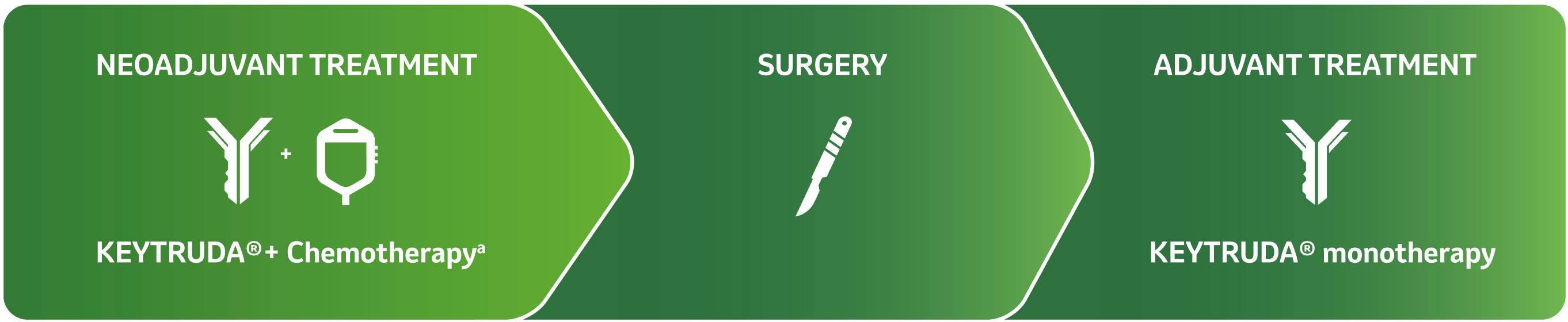
KEYTRUDA® (pembrolizumab), in combination with chemotherapy as neoadjuvant treatment, and then continued as monotherapy as adjuvant treatment after surgery, is indicated for the treatment of adults with locally advanced, or early-stage triple-negative breast cancer (eTNBC) at high risk of recurrence.2
Click to explore the KEYNOTE-522 overall survival results (secondary efficacy outcome measure)
Consider neoadjuvant treatment for eTNBC

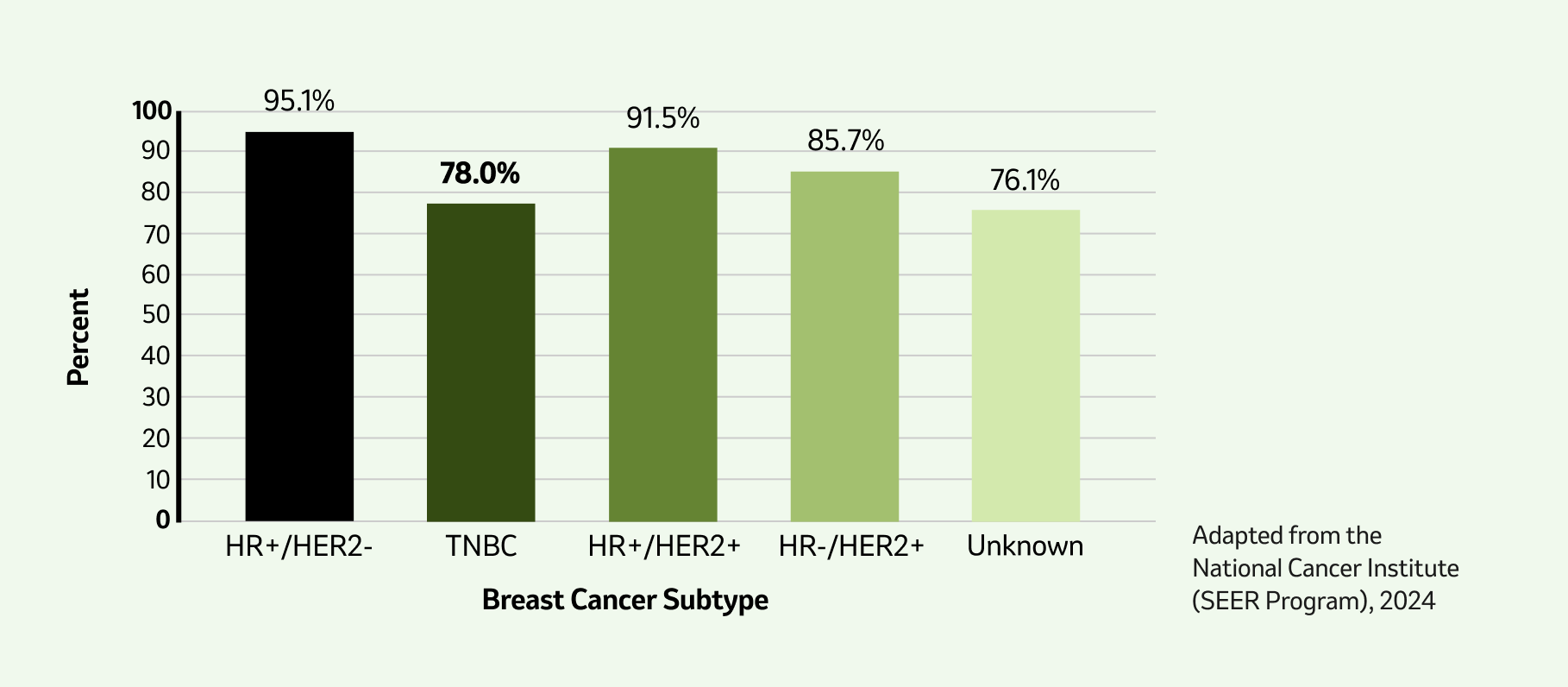
These high recurrence rates highlight the need for more effective treatment approaches.8
Neoadjuvant immunotherapy can improve pCR12,13
Among the available treatment options for early TNBC, treating patients with a combination of chemotherapy and immunotherapy before surgery can lead to higher pCR rates compared to patients treated with chemotherapy alone.12,13
In the KEYNOTE-522 study, neoadjuvant treatment with KEYTRUDA® plus chemotherapya followed by adjuvant KEYTRUDA® monotherapy demonstrated statistically significant pCR, EFS, and OS benefits for eTNBC patients compared
to the placebo regimen.1,14

Consider the full KEYTRUDA® treatment regimen for your eligible patients.2
aChemotherapy: Carboplatin and paclitaxel followed by (doxorubicin or epirubicin) and cyclophosphamide.
EFS: event-free survival; eTNBC: early triple-negative breast cancer; OS: overall survival; pCR: pathological complete response; PD-1: programmed death 1; TNBC: triple-negative breast cancer.
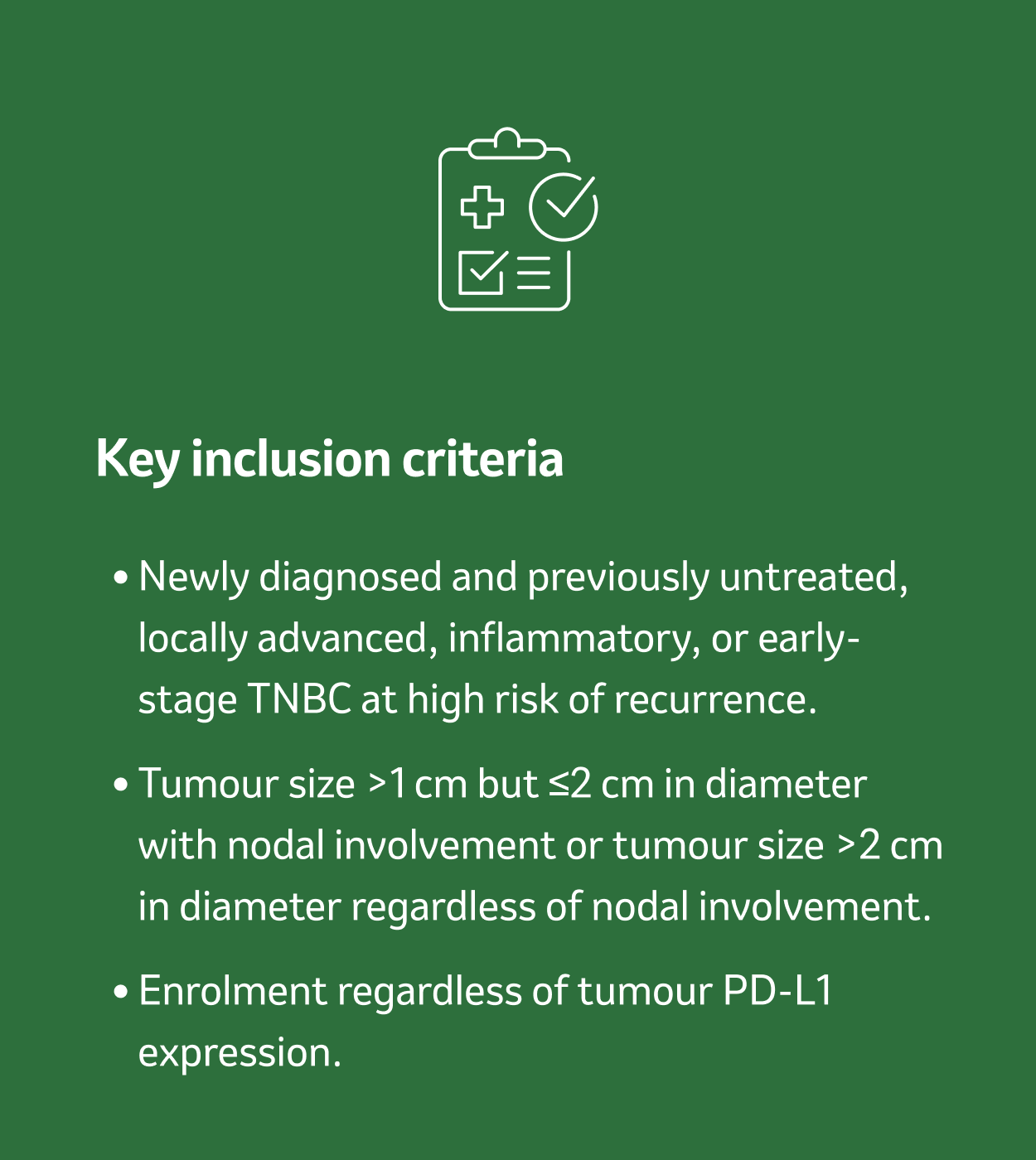
The KEYNOTE-522 study outlines key patient characteristics that determine eligibility for the full neoadjuvant and adjuvant treatment regimen:2

Tumour size >1 cm
but ≤2 cm in diameter with lymph node involvement

Tumour size >2 cm in diameter regardless of lymph node involvement

Regardless of tumour
PD-L1 expression

For additional study eligibility criteria see the study design section, as well as Schmid P et al., 2020 (reference 20).
As an integral part of your multidisciplinary team (MDT),15 your advocacy can play an important role identifying patients eligible to start the complete neoadjuvant and adjuvant KEYTRUDA® regimen.1
MDT: multidisciplinary team; N−: lymph node negative; N+: lymph node positive, PD-L1: programmed death ligand 1.
You can increase your patients’ chances for better outcomes by partnering with an MDT and offering them more support through each stage of their treatment regimen.16-19

Most early breast cancer cases can be cured by multimodality treatment, although cure rates vary by clinical stage and subtype.16

The decision to use neoadjuvant and/or adjuvant therapy should be made by an MDT.19

MDT decision-making increases the chances for better outcomes for your patients.17,18

The ESMO guidelines recommend an MDT approach.16

Your expertise is integral to the wellbeing of your patients with eTNBC and increases the effectiveness of your MDT.15,17-19 Together, you can help to unlock more possibilities for your patients with the full KEYTRUDA® treatment regimen.1
ESMO: European Society for Medical Oncology; eTNBC: early triple-negative breast cancer; MDT: multidisciplinary team.
The complete treatment regimen, including neoadjuvant KEYTRUDA® + chemotherapya followed by adjuvant KEYTRUDA® monotherapy, is recommended unless there are risk factors for excessive ICI-associated immune toxicity in:
Patients with cT2c-T4 node negative diseaseb
Patients with any node positive (stage II–III) TNBCb
Adjuvant KEYTRUDA® monotherapy is recommended for all patients who have received KEYTRUDA® + chemotherapya in the neoadjuvant setting, regardless of pCR status.b
ESMO guidance on KEYTRUDA® use in patients with eTNBC can be found on the ESMO website.
By clicking this link you are leaving an MSD portal. The link directs to independent sources of information which reflect the opinion of the authors and do not necessarily represent the opinions and views of MSD. This is a scientific service from MSD for interested professionals.
aChemotherapy: Carboplatin and paclitaxel followed by (doxorubicin or epirubicin) and cyclophosphamide.
bUnless there are risk factors for excessive ICI-associated immune toxicity.
ESMO: European Society for Medical Oncology; eTNBC: early triple-negative breast cancer; ICI: immune checkpoint inhibitor, pCR: pathological complete response.

Discover KEYNOTE-522: efficacy insights
KEYNOTE-522 evaluated the efficacy and safety of neoadjuvant KEYTRUDA® + chemotherapya followed by adjuvant KEYTRUDA® in eTNBC.2
aChemotherapy: Carboplatin and paclitaxel followed by (doxorubicin or epirubicin) and cyclophosphamide.
eTNBC: early triple-negative breast cancer.
KEYNOTE-522 is a phase III, randomised, multicentre, double-blind, placebo-controlled trial that enrolled 1,174 patients with high-risk, locally advanced or eTNBC.
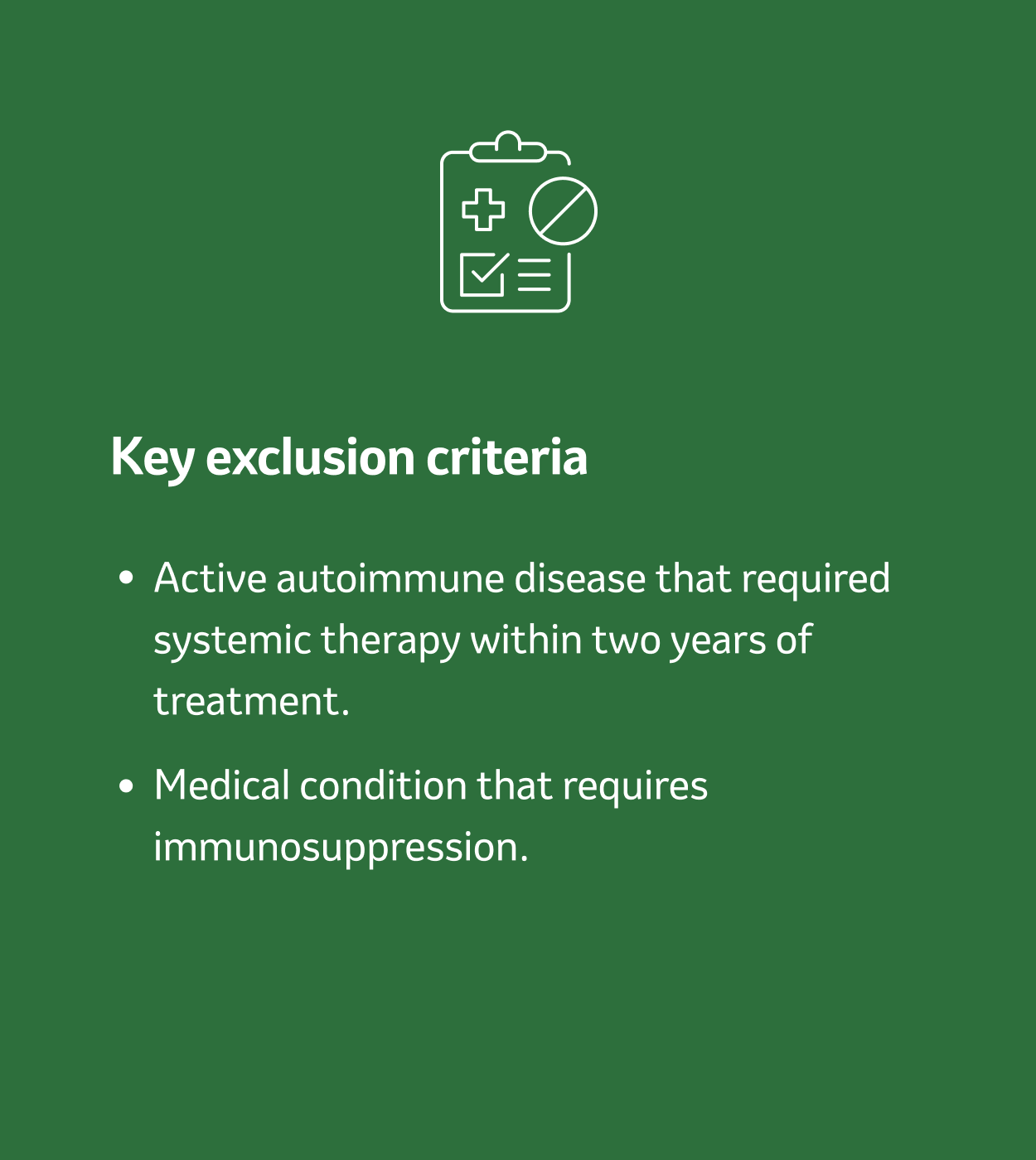
For additional study eligibility criteria, see Schmid P et al., 2020 (reference 20).
Study treatment arms2,20
- 2:1 ratio randomisation to the following treatment arms.c
- All study medications were administered via intravenous infusion.
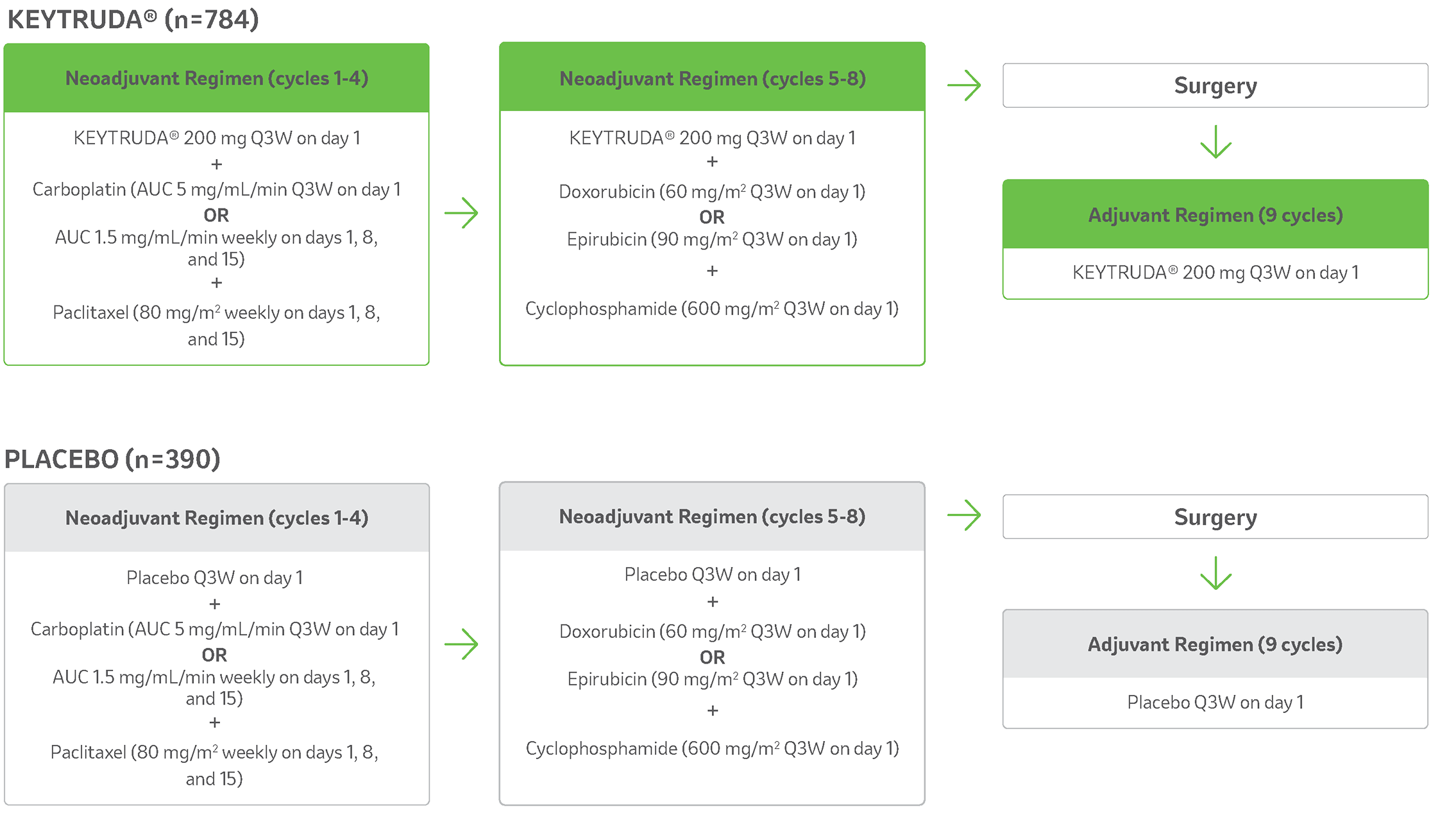
- Treatment with KEYTRUDA® or placebo continued until completion of treatment (17 cycles), disease progression that precludes definitive surgery, disease recurrence in the adjuvant phase, or unacceptable toxicity.
Primary efficacy outcome measures
- pCR: Absence of invasive cancer in the breast and lymph nodes (ypT0/Tis ypN0) and was assessed by the blinded local pathologist at the time of definitive surgery.2
- EFS: The time from randomisation to the first occurrence of any of the following events: progression of disease that precludes definitive surgery, local or distant recurrence, second primary malignancy, or death due to any cause, in the intention-to-treat population.2
Secondary efficacy outcome measures
- OS defined as the time from randomisation to death from any cause (key secondary efficacy outcome measure).1
- pCR defined as ypT0 ypN0 and ypT0/Tis in all patients.20
- pCR according to all definitions in patients with PD-L1–positive tumours.20
- EFS among patients with PD-L1–positive tumours.20
Safety measures
- Safety during the neoadjuvant and adjuvant phases was evaluated in all patients who received at least one trial drug, underwent surgery, or both.20
cRandomisation was stratified by nodal status (positive vs negative), tumour size (T1/T2 vs T3/T4), and choice of carboplatin (dosed every 3 weeks vs weekly).
AUC: area under the curve; EFS: event-free survival; eTNBC: early triple negative breast cancer; OS: overall survival; pCR: pathological complete response; PD-L1: programmed death ligand 1; Q3W: every 3 weeks; Q6W: every 6 weeks.
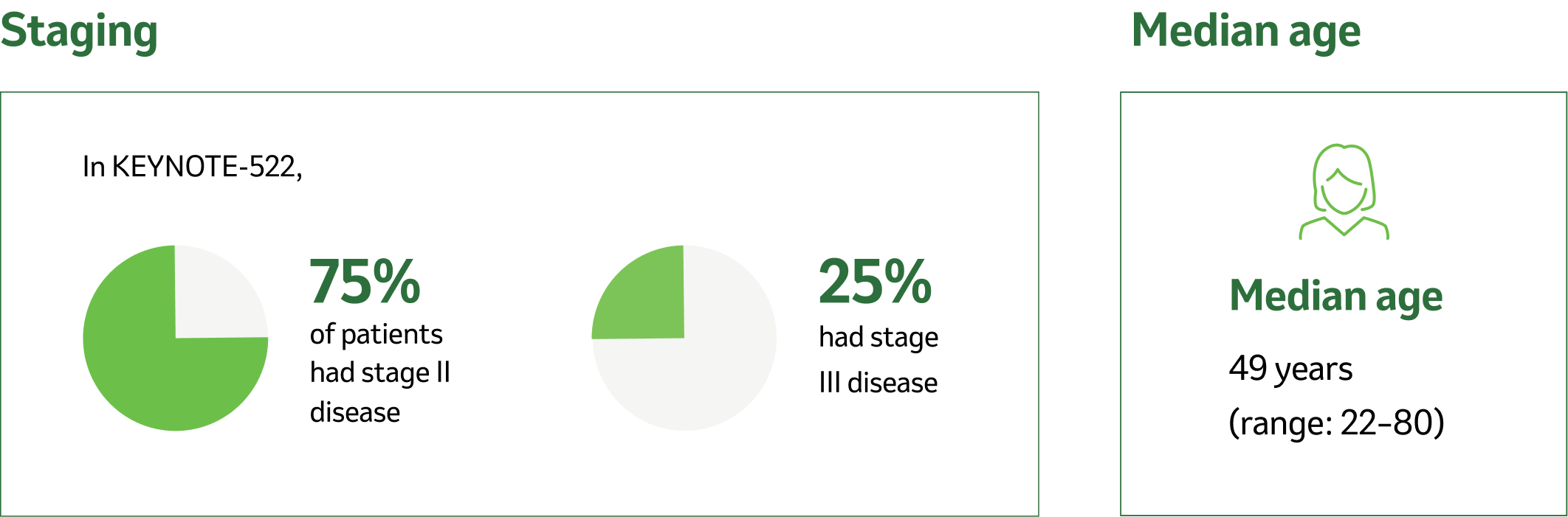

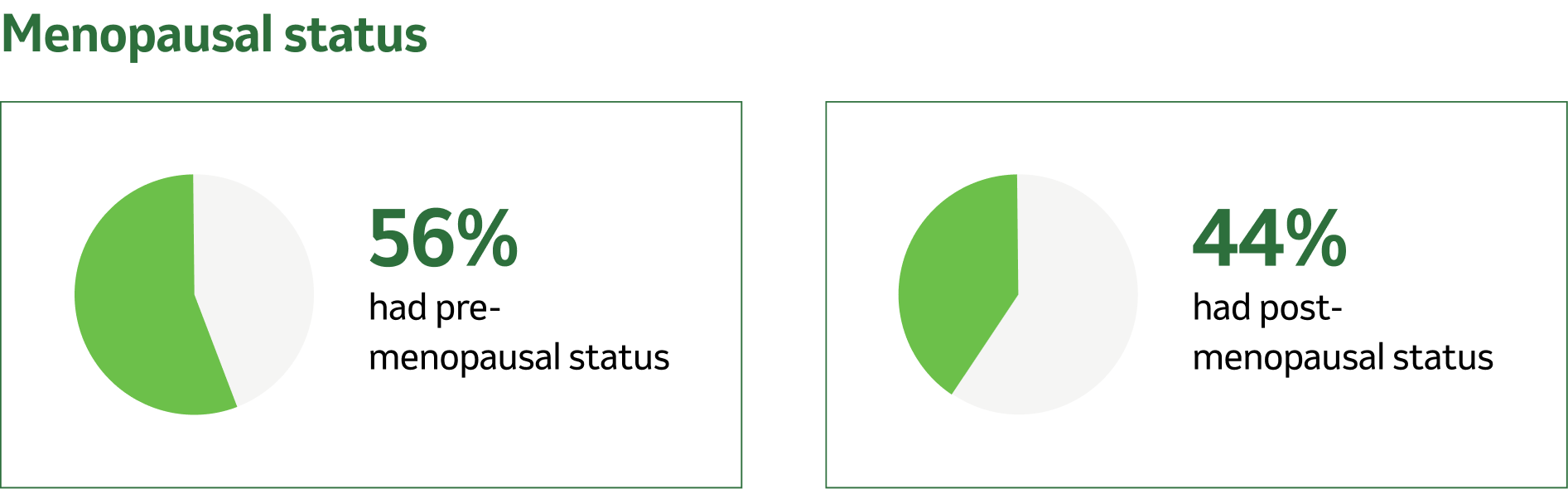
Tumour and nodes
7% were primary Tumour 1 (T1), 68% T2, 19% T3, and 7% T4.
49% were nodal involvement 0 (N0), 40% N1, 11% N2, and 0.2% N3.
83% were PD-L1 positive; 17% were PD-L1 negative.20
ECOG PS: Eastern Cooperative Oncology Group Performance Status; PD-L1: programmed death ligand 1.
Pathological complete response rate2
At the pre-specified final analysis (n=1002), a statistically significant improvement in pCRd rate (p=0.00221e) was observed at the time of definitive surgery following neoadjuvant therapy with KEYTRUDA® + chemotherapya vs placebo + chemotherapy.a
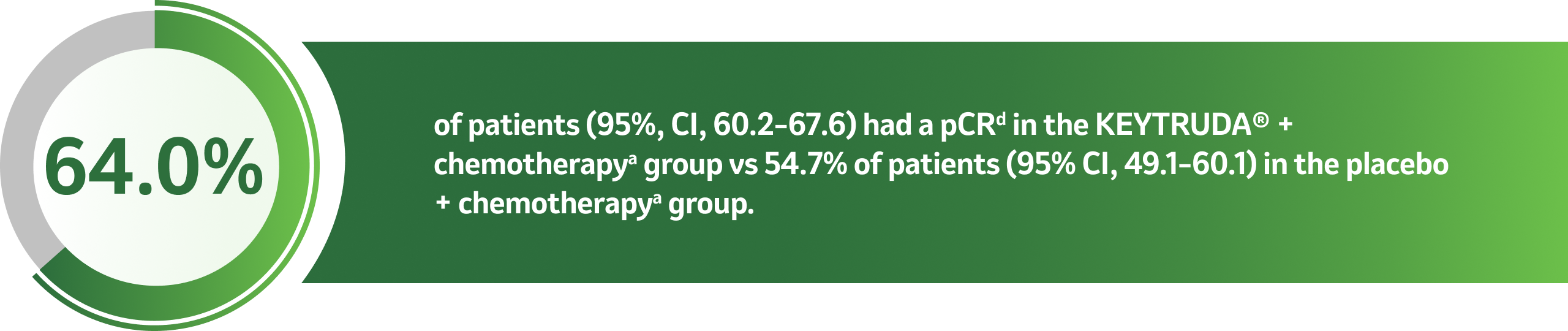

The KEYTRUDA® regimen demonstrated less invasive residual tissue in the breast or nodes at the time of definitive surgery and better patient outcomes compared to the placebo regimen.2,20
aChemotherapy: Carboplatin and paclitaxel followed by (doxorubicin or epirubicin) and cyclophosphamide.
dBased on a pre-specified pCR final analysis (compared to a significance level of 0.0028).
eOne-sided p-value for testing. H0: difference in %=0 versus H1: difference in %>0.
Event-free survival data2
KEYTRUDA® + chemotherapya/KEYTRUDA® resulted in a 37% reduction in EFS events vs placebo + chemotherapya/placebo (HR=0.63; 95% CI, 0.48, 0.82; p-value 0.00031) in the pre-specified interim analysis, median follow-up time of 37.8 months (range: 2.7–48.0 months).2
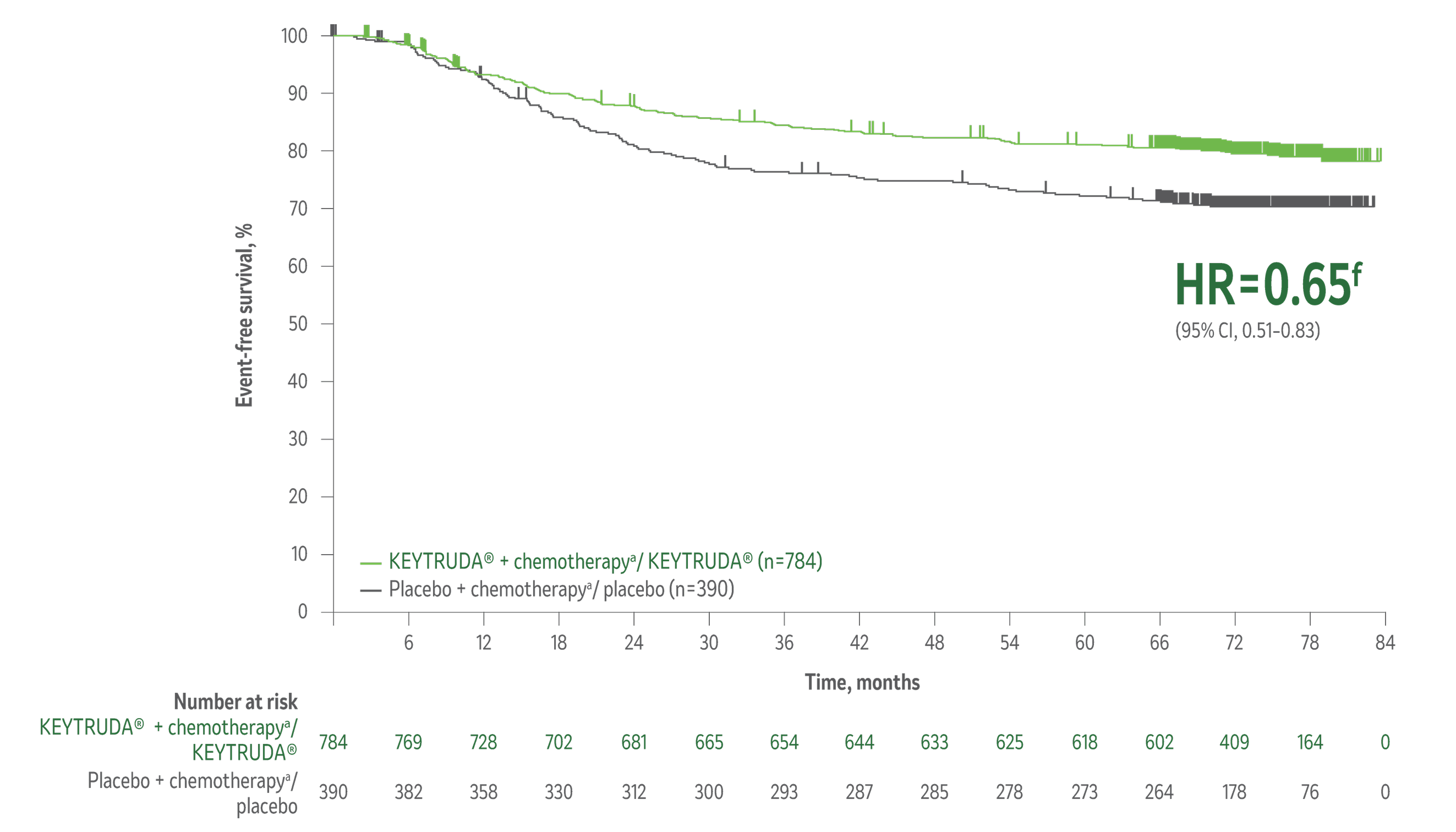
Updated event-free survival1
KEYTRUDA® + chemotherapya/KEYTRUDA® continued to be associated with a reduction in EFS events vs placebo + chemotherapya/placebo (HR=0.65f; 95% CI, 0.51–0.83).
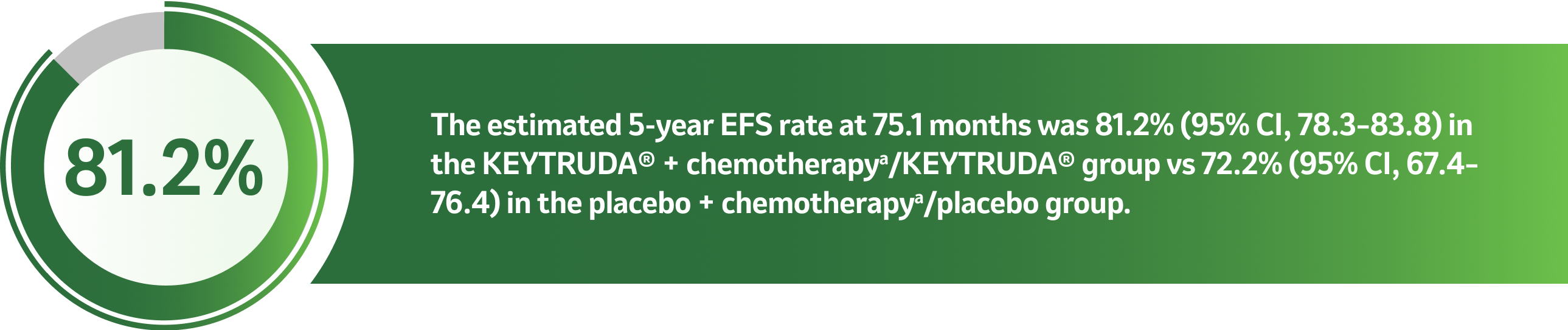
Median follow-up 75.1 months (range, 65.9–84.0 months).g,1
LIMITATIONS: No formal statistical testing was planned for this protocol-specific analysis of EFS, and therefore, no conclusions can be drawn.
Kaplan-Meier Estimate of EFS of 75.1 Months
(Range, 65.9-84.0 Months)
Taken from Schmid P et al. N Engl J Med. 2024;391(21):1981-1991. Copyright © 2024. Massachusetts Medical Society.
Reprinted with permission from Massachusetts Medical Society.
The complete KEYTRUDA® regimen gives MDTs a treatment opportunity for eligible eTNBC patients.1
aChemotherapy: carboplatin and paclitaxel followed by (doxorubicin or epirubicin) and cyclophosphamide.
fBased on Cox regression model with Efron’s method of tie handling with treatment as a covariate stratified by nodal status, tumour size, and choice of carboplatin.
gFollow-up for disease status and survival occurred every 3 months for the first 2 years after randomisation, every 6 months for years 3 through 5, and annually thereafter.
CI: confidence interval; EFS: event-free survival; eTNBC: early triple-negative breast cancer; HR: hazard ratio; pCR: pathological complete response.
The results from the 7th interim analysis of the KEYNOTE-522 study show, for the first time, statistically significant improvement in overall survival in eTNBC patients with the KEYTRUDA® treatment regimen vs the placebo regimen.1
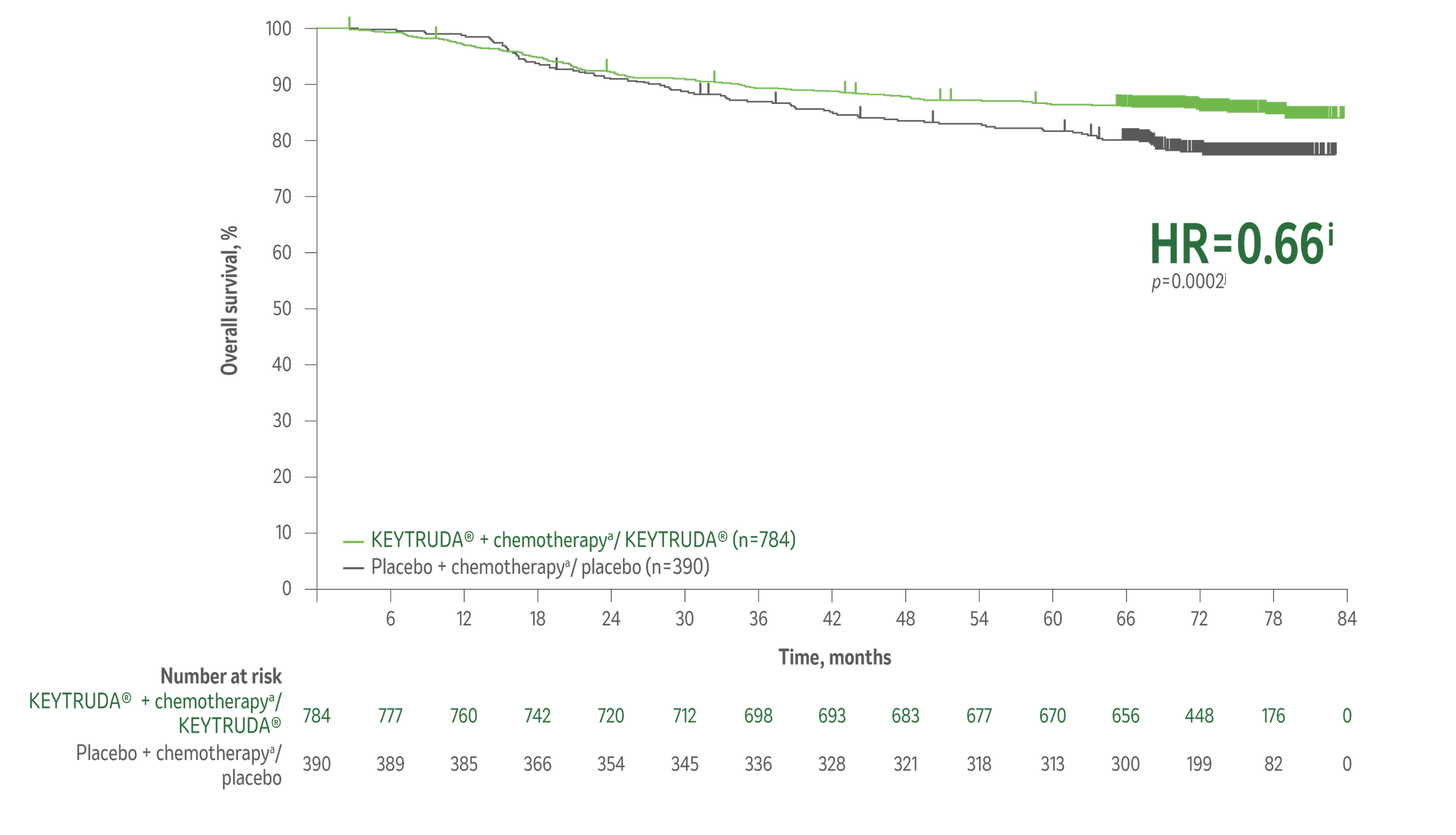
Overall survival1
Superior overall survivalh in patients receiving KEYTRUDA® + chemotherapya/KEYTRUDA® vs placebo + chemotherapya/placebo.1
Median follow-up 75.1 months (range, 65.9–84.0 months).g,1
- 34% reduction (HR=0.66i; 95% CI, 0.50–0.87; p=0.002j) in the risk of death with KEYTRUDA® + chemotherapya/KEYTRUDA® vs placebo + chemotherapya/placebo.
- The number of patients with an event (n/N) was 115/784 (14.7%) with KEYTRUDA® + chemotherapya/KEYTRUDA® vs 85/390 (21.8%) with placebo + chemotherapya/placebo.1
Kaplan-Meier Curve for Overall Survivalh by Treatment Arm in KEYNOTE-522 (Intention-to-Treat Population)
Taken from Schmid P et al. N Engl J Med. 2024;391(21):1981-1991. Copyright © 2024. Massachusetts Medical Society.
Reprinted with permission from Massachusetts Medical Society.
KEYTRUDA® is the FIRST and ONLY immunotherapy-based regimen to show a statistically significant improvement in OS as neoadjuvant treatment with the KEYTRUDA® combination regimen followed by KEYTRUDA® as a single agent after surgery compared to neoadjuvant chemotherapya followed by placebo after surgery in patients with high-risk eTNBC.1-7,21-23
aChemotherapy: carboplatin and paclitaxel followed by (doxorubicin or epirubicin) and cyclophosphamide.
gFollow-up for disease status and survival occurred every 3 months for the first 2 years after random- ization, every 6 months for years 3 through 5, and annually thereafter.
hBased on a prespecified OS interim analysis (compared to a significance level of 0.00503).
iBased on Cox regression model with Efron’s method of tie handling with treatment as a covariate stratified by nodal status, tumour size, and choice of carboplatin.
jOne-sided p-value based on log-rank test stratified by nodal status, tumour size, and choice of carboplatin.
CI: confidence interval; eTNBC: early triple negative breast cancer; HR: hazard ratio; OS: overall survival.
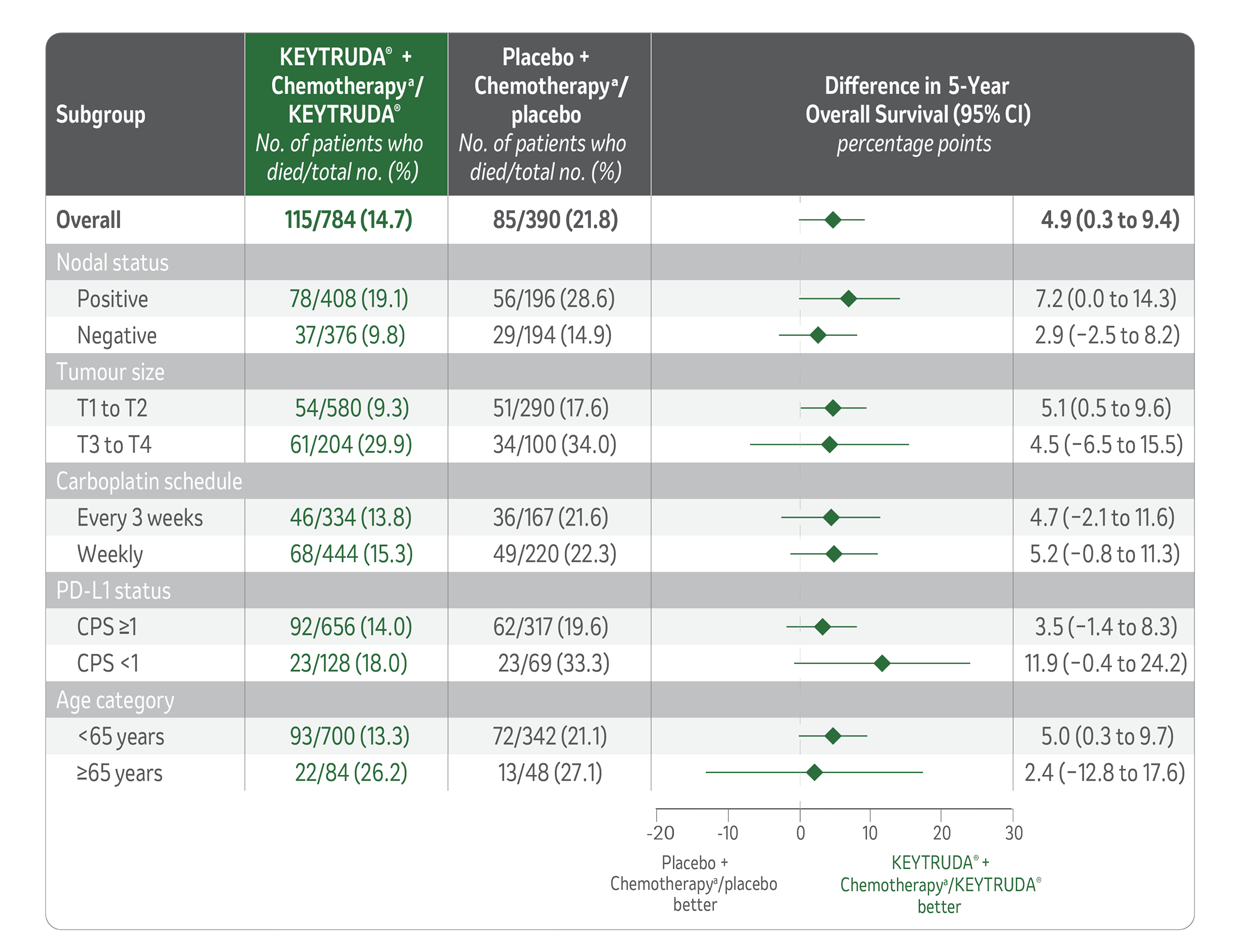
Overall survival data in patients receiving KEYTRUDA® + chemotherapya/KEYTRUDA® vs placebo + chemotherapya/placebo across prespecified subgroups at median follow-up of 75.1 months.1
LIMITATIONS: KEYNOTE-522 was not powered to detect differences in the treatment effect in these subgroups, and no statistical testing was planned for this analysis; therefore, no conclusions can be drawn. Results from these exploratory subgroup analyses should be interpreted with caution because of the modest patient numbers, potential imbalances in baseline characteristics within the subgroups, and because the proportional hazard assumption did not hold in this analysis.
aChemotherapy: carboplatin and paclitaxel followed by (doxorubicin or epirubicin) and cyclophosphamide.
CI: confidence interval; CPS: combined positive score; PD-L1: programmed death ligand 1

Summary of safety profile of neoadjuvant KEYTRUDA® + chemotherapy
followed by adjuvant KEYTRUDA® monotherapy for TNBC1
In patients with high-risk early-stage TNBC receiving KEYTRUDA® in combination with chemotherapya as a neoadjuvant treatment and continued as monotherapy adjuvant treatment, adverse events listed here occurred during or within 30 days after the treatment period (within 90 days for serious events) in descending order of frequency in the KEYTRUDA® + chemotherapya/KEYTRUDA® group. The as-treated population included all the patients who had undergone randomisation and received at least one trial drug, underwent surgery, or both. The severity of adverse events was graded according to the CTCAE, version 4.0, of the NCI.1
Adverse Events in the Combined Neoadjuvant and Adjuvant Phases (Median Follow-Up 75.1 Months)1
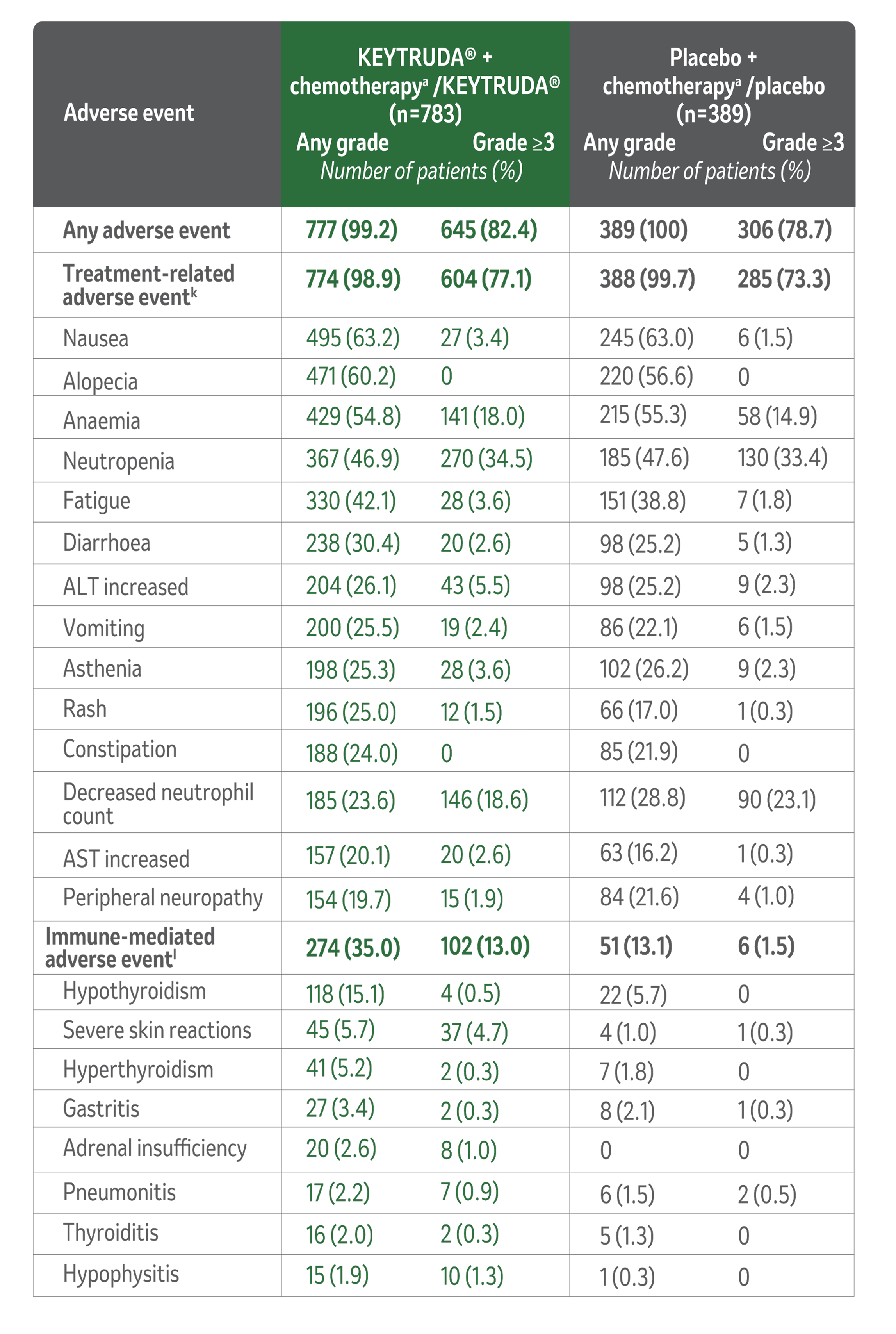
Grade 5 treatment-related adverse events were sepsis and multiple organ dysfunction syndrome (n=1); pneumonitis (n=1); pulmonary embolism (n=1); autoimmune encephalitis (n=1) in the KEYTRUDA® + chemotherapya/KEYTRUDA® group; and septic shock (n=1) in the placebo + chemotherapya/placebo group.1
Grade 5 immune-mediated adverse events were pulmonary embolism (n=1) and autoimmune encephalitis (n=1) in the KEYTRUDA® + chemotherapya/KEYTRUDA® group.1
aChemotherapy: carboplatin and paclitaxel followed by (doxorubicin or epirubicin) and cyclophosphamide.
kTreatment-related adverse events were events that were attributed to a trial treatment by the investigators. Treatment-related adverse events that occurred in at least 20% of the patients in either treatment group are reported. Patients may have had more than one event.
lImmune-mediated adverse events were determined according to a list of terms specified by the sponsor, regardless of attribution to any trial treatment by the investigators. Immune-mediated adverse events that occurred in at least 15 patients in either treatment group are reported.
ALT: alanine aminotransferase; AST: aspartate aminotransferase; CTCAE: Common Terminology Criteria for Adverse Events; NCI: National Cancer Institute; TNBC: triple-negative breast cancer.
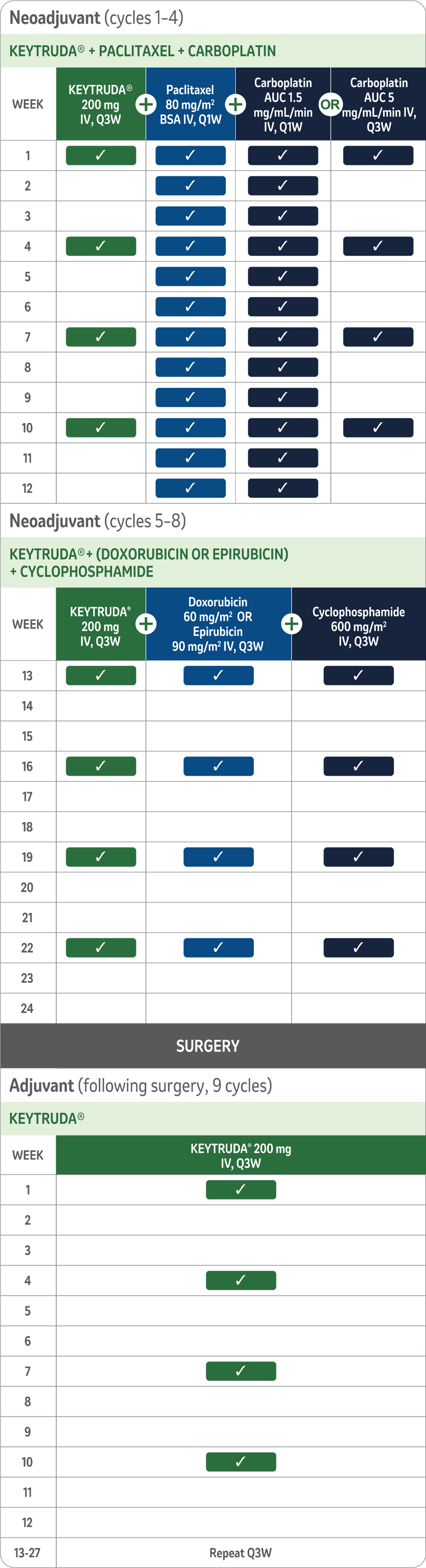
The recommended dose of KEYTRUDA® in adults is either 200 mg Q3W or 400 mg Q6W2
When administering KEYTRUDA® as part of a combination with IV chemotherapy, KEYTRUDA® should be administered first as an IV infusion over 30 minutes. For the neoadjuvant and adjuvant treatment of high-risk early-stage TNBC, patients should be treated with neoadjuvant KEYTRUDA® in combination with chemotherapy for 8 doses of 200 mg Q3W or 4 doses of 400 mg Q6W or until disease progression that precludes definitive surgery or unacceptable toxicity, followed by adjuvant treatment with KEYTRUDA® as monotherapy for 9 doses of 200 mg Q3W or 5 doses of 400 mg Q6W or until disease recurrence or unacceptable toxicity. Patients who experience disease progression that precludes definitive surgery or unacceptable toxicity related to KEYTRUDA® as neoadjuvant treatment in combination with chemotherapya should not receive KEYTRUDA® monotherapy as adjuvant treatment.
No dose reductions of KEYTRUDA® are recommended. Withhold or discontinue KEYTRUDA® to manage moderate to severe adverse reactions per recommendations in the product labelling.
aChemotherapy: carboplatin and paclitaxel followed by (doxorubicin or epirubicin) and cyclophosphamide.
AUC: area under the curve; BSA: body surface area; IV: intravenous; Q1W: every 1 week; Q3W: every 3 weeks; Q6W: every 6 weeks.
KEYNOTE-522 demonstrated a statistically significant improvement in overall survival, meaning more tomorrows for patients who received the complete KEYTRUDA® regimen compared to those who received the placebo regimen.1
Careful patient selection and monitoring for toxicities is essential.
This is a placeholder for the Summary of Safety Information (SSI) (including contraindications, precautions, warnings, and adverse events) or an abridged SPC or equivalent, as mandated by local legislation.
The SSI or SPC must align with the local label and be created and approved per established local processes
References:
- Schmid P, Cortes J, Dent R, et al. Overall survival with pembrolizumab in early-stage triple-negative breast cancer. N Engl J Med. 2024;391(21):1981 1991.
- KEYTRUDA®. Summary of product characteristics.
- Opdivo®. Summary of product characteristics.
- Libtayo®. Summary of product characteristics.
- Jemperli®. Summary of product characteristics.
- Tevimbra®. Summary of product characteristics.
- ZYNYZ®. Summary of product characteristics.
- Gupta GK, Collier AL, Lee D, et al. Perspectives on triple-negative breast cancer: current treatment strategies, unmet needs, and potential targets for future therapies. Cancers (Basel). 2020;12(9).
- Newton EE, Mueller LE, Treadwell SM, et al. Molecular targets of triple-negative breast cancer: where do we stand? Cancers (Basel). 2022;14(3).
- Stuart-Harris R, Dahlstrom JE, Gupta R, et al. Recurrence in early breast cancer: analysis of data from 3,765 Australian women treated between 1997 and 2015. Breast. 2019;44:153-9.
- Institute NC. SEER cancer stat facts: female breast cancer subtypes. 2024. Available at: https://seer.cancer.gov/statfacts/html/breast-subtypes.html. Accessed September 2024.
- Lin YY, Gao HF, Yang X, et al. Neoadjuvant therapy in triple-negative breast cancer: a systematic review and network meta-analysis. Breast. 2022;66:126-35.
- Rizzo A, Cusmai A, Massafra R, et al. Pathological complete response to neoadjuvant chemoimmunotherapy for early triple-negative breast cancer: an updated meta-analysis. Cells. 2022;11(12).
- Schmid P, Cortes J, Dent R, et al. Event-free survival with pembrolizumab in early triple-negative breast cancer. N Engl J Med. 2022;386(6):556-67.
- Gandamihardja TAK, Soukup T, McInerney S, et al. Analysing breast cancer multidisciplinary patient management: a prospective observational evaluation of team clinical decision-making. World J Surg. 2019;43(2):559-66.
- Loibl S, André F, Bachelot T, et al. Early breast cancer: ESMO clinical practice guideline for diagnosis, treatment and follow-up. Ann Oncol. 2024;35(2):159-82.
- Kesson EM, Allardice GM, George WD, et al. Effects of multidisciplinary team working on breast cancer survival: retrospective, comparative, interventional cohort study of 13,722 women. BMJ. 2012;344:e2718.
- Croke JM, El-Sayed S. Multidisciplinary management of cancer patients: chasing a shadow or real value? An overview of the literature. Curr Oncol. 2012;19(4):e232-8.
- Cain H, Macpherson IR, Beresford M, et al. Neoadjuvant therapy in early breast cancer: treatment considerations and common debates in practice. Clin Oncol (R Coll Radiol). 2017;29(10):642-52.
- Schmid P, Cortes J, Pusztai L, et al. Pembrolizumab for early triple-negative breast cancer. N Engl J Med. 2020;382(9):810-21.
- Tecentriq®. Summary of product characteristics.
- Imfinzi®. Summary of product characteristics.
- Bavencio®. Summary of product characteristics.
HI-OBR-00042
EN: For Healthcare professionals only.
EN: Please consult the full prescribing information before prescribing or delivering the product.